
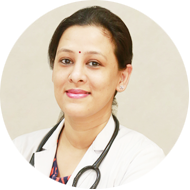
Dr Sagarika Aggarwal
Motherhood is something every woman dreams of but what if something poses hindrance in becoming a mother. Most often woman partner is only blamed, when it comes to ‘couples failing to conceive’. Infertility or the inability to conceive though attributed to various reasons and factors is still a very sensitive issue for women in the society. Women trying to conceive but failing, undergo feeling of despair, hopelessness and lose self worth, and with the social stigma attached to being unable to conceive, being directly or indirectly responsible, takes a double toll on their mental health.
The ‘sufferers’ wish people would understand the feelings they experience. Talking to family, or close friends definitely helps; and those deprived of trusted people face societal pressure, hence avoid social occasions as mere citing a pregnant woman or a baby could invite depression.
On the occasion of Mother’s day, let us pledge to eradicate the stigma attached to female infertility and gift them with motherhood. With advancements made in the field of Assisted Reproductive Techniques (ART), many conditions attributing to infertility are treatable, thereby allowing many women enjoy motherhood.
Reasons affecting motherhood
With a number of reasons to affect the fertility of a person the following are a few that have dramatically influenced the fertility of many in the recent years –
– Diseases including defects in pelvic pathology (ovarian, tubal, uterine), Uterine fibroids, adenomyosis, congenital uterine anomalies, uterine adhesions, uterine polyps, chronic endometritis, tubal blockage, ovulatory dysfunction, PCOS.
– Age factor in women – this is a reason for depleted ovarian reserve (quality eggs).
– Career-oriented women postponing pregnancy (society assumes this to inability to conceive).
– Lifestyle changes like smoking, alcohol, tobacco consumption, lack of exercise and sleep, wrong eating habits leading to obesity and stress ultimately causes infertility.
– Occupational hazards and environmental pollution.
– Genetic disorders – chromosomal abnormalities, unexplained infertility, male problems, and genetic defects of one or both partners, unusual problems.
ART – blessing motherhood to many
IVF is an ART comprising of controlled ovarian hyperstimulation followed by retrieval of eggs from the ovaries, fertilization with sperms in laboratory and subsequent transfer of the so-formed embryos inside the uterus. The embryos are cultured in laboratory from 3-5 days. The treatment is now highly refined with the application of ICSI (Intra Cytoplasmic Sperm Injection), Blastocyst culture, Laser Assisted Hatching, TESE (testicular sperm extraction) to name a few.
IVF is useful not just in blocked fallopian tubes, but also in women with poor or diminished ovarian reserves, PCOS, POI, endometriosis, uterine fibroids, adenomyosis, abnormal semen parameters, in couples married for long with primary or secondary infertility, unexplained infertility and in couples with failure of non-ART cycles.
Not always woman is wrong
Counseling plays a major role in such cases to prevent the blame game among the couples. Counseling the partners that the cause could center around from male-, to female- partner, to both, or to even none, and making them realize that understanding and supporting each other could bring about a great deal of strength in progressing with the treatment, helps.
It’s not uncommon to see a female partner come alone or accompanied by one of her family members for the first visit. Similarly, a man coming alone to share his report of poor semen quality or even of azoospermia with a hope for improvement without revealing anything to the partner has also been seen.
It thus becomes important to investigate both the partners. An IVF centre emphasizes on only necessary and important tests so that IVF doesn’t become a costly affair; concentrates on a patient- and cost- friendly approach and believes that already a psychological and emotional investment, IVF shouldn’t turn out into a financial one.
Necessary tests are those that point to the cause of infertility as well as help plan the best treatment keeping the chances of success in mind. These include testing for ovarian reserve by blood tests and ultrasound scan, uterine cavity by ultrasound and/or hysteroscopy, and analyzing semen parameters.
(Dr Aggarwal is the gynaecologist and IVF Expert, Indira IVF Hospital, New Delhi)
– CNN Media Service